My Model YL was delivered in May 2026. It has now done about 26,000 km (roughly 16,000 miles). I’d taken the wheel covers off before, but this was the first time I’d jacked it up.
With winter coming, I needed to take a wheel off, so I lifted the front and rear on the right-hand side.
What makes a Model YL jack-up different is that you use dedicated jack pads, so here’s how it went and the tools I used.
The five tools I used for my Model YL jack-up
These are the five tools I used this time.
- A wheel cover removal tool (plastic, bought on AliExpress)
- Tesla jack pads (bought in advance)
- A floor jack (a 3.5-tonne one I’ve had since my student days)
- A cordless impact wrench (a Makita 18V-compatible one)
- Wheel sockets: a three-piece set (17 mm, 19 mm, 21 mm)
A hook-shaped tool takes the wheel covers off
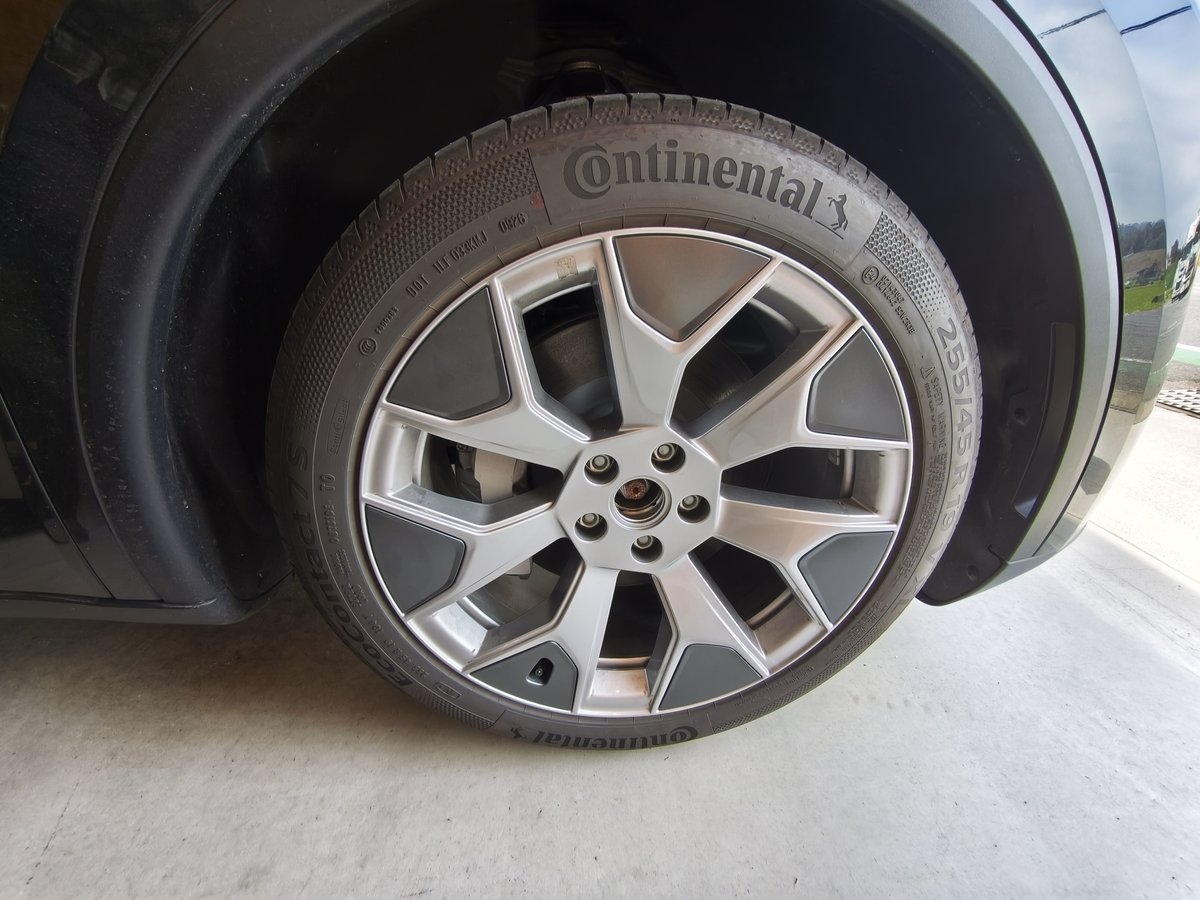
The factory 19-inch wheels have covers on them.
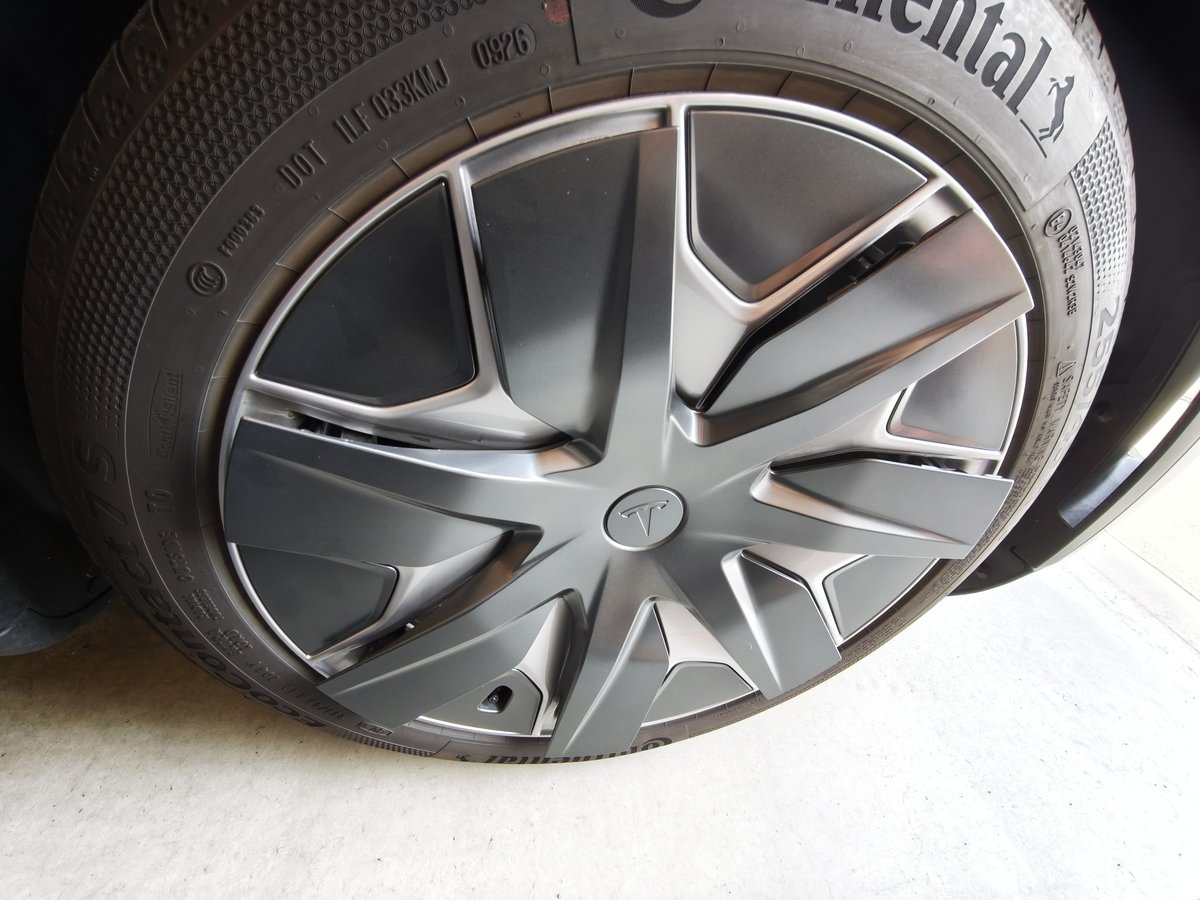
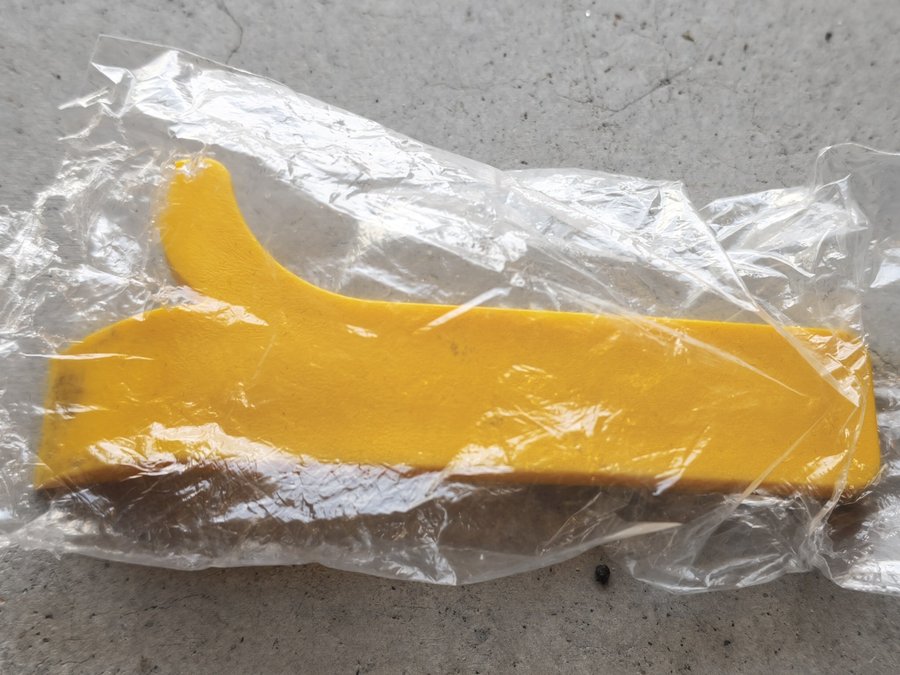
The last time I took the covers off, I used this tool that comes with the car.
It flexed so much under load that I thought it might snap, so I bought this one on AliExpress.
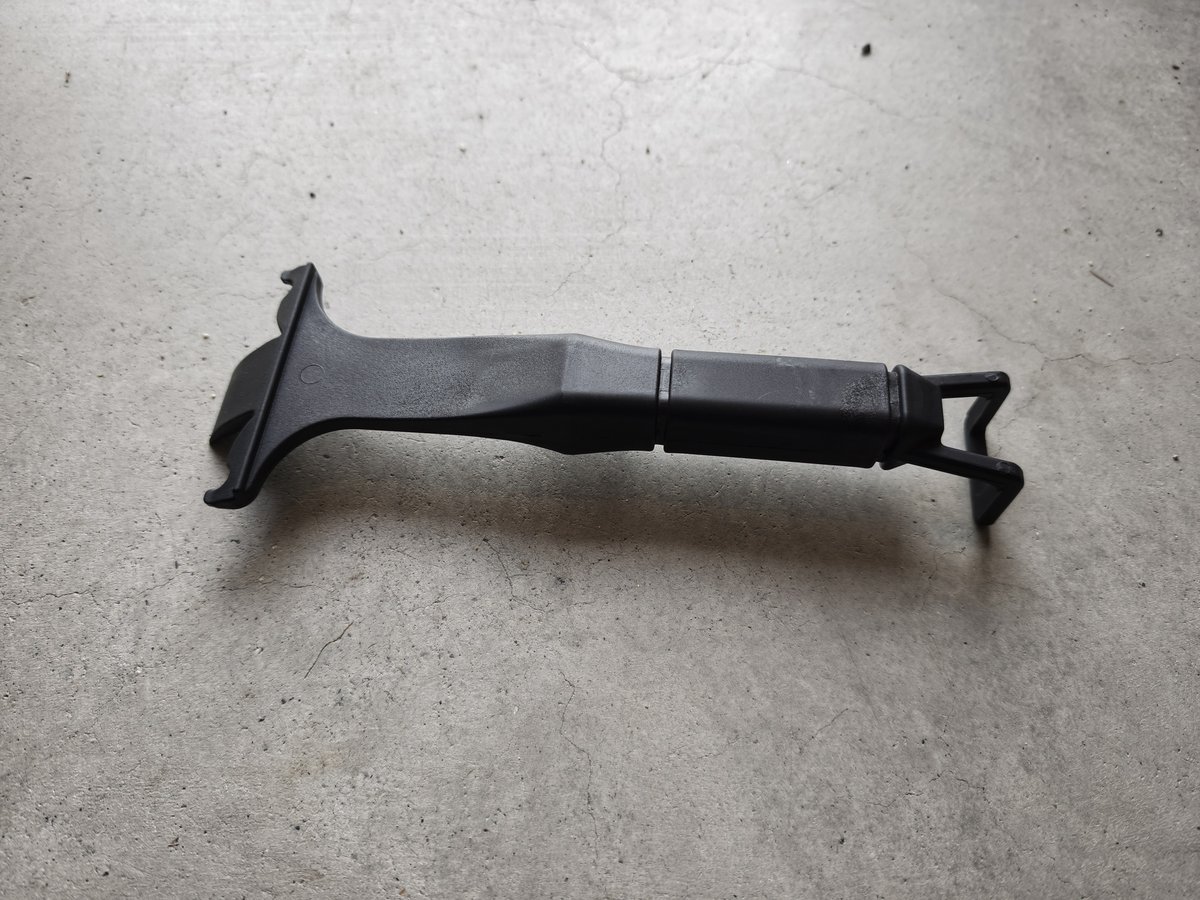
The tip is a hook. You catch it on the edge of the cover and pull.
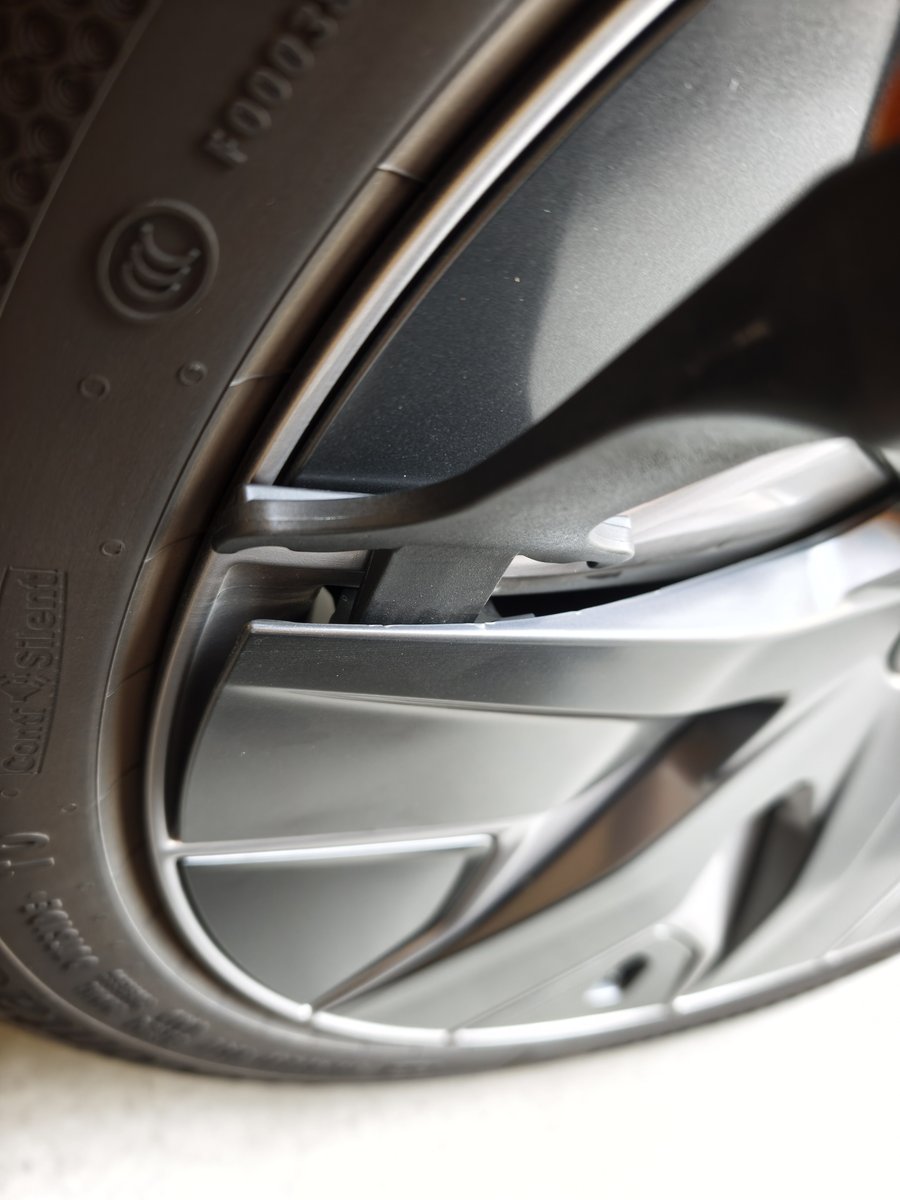
Once the cover is off, you can see the wheel itself, plus the lug nuts.
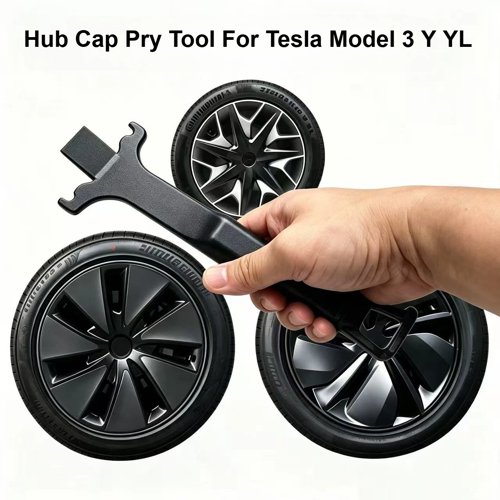
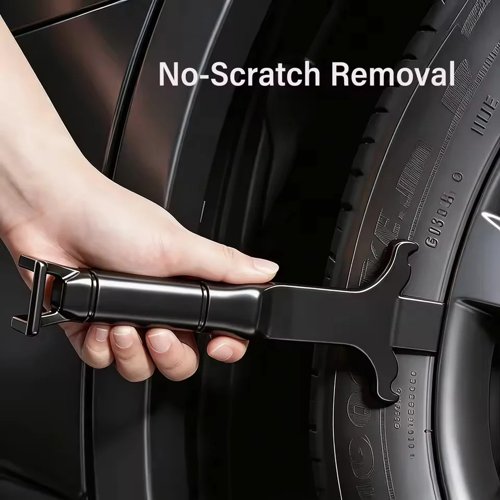
AliExpress also has the same type of tool.
I wrote about the time I took the covers off in this post.
Fit the jack pad into the hole first, then jack up
The thing I’d bought in advance was a set of Tesla jack pads. They’re an unusual shape, with a peg sticking up on top.
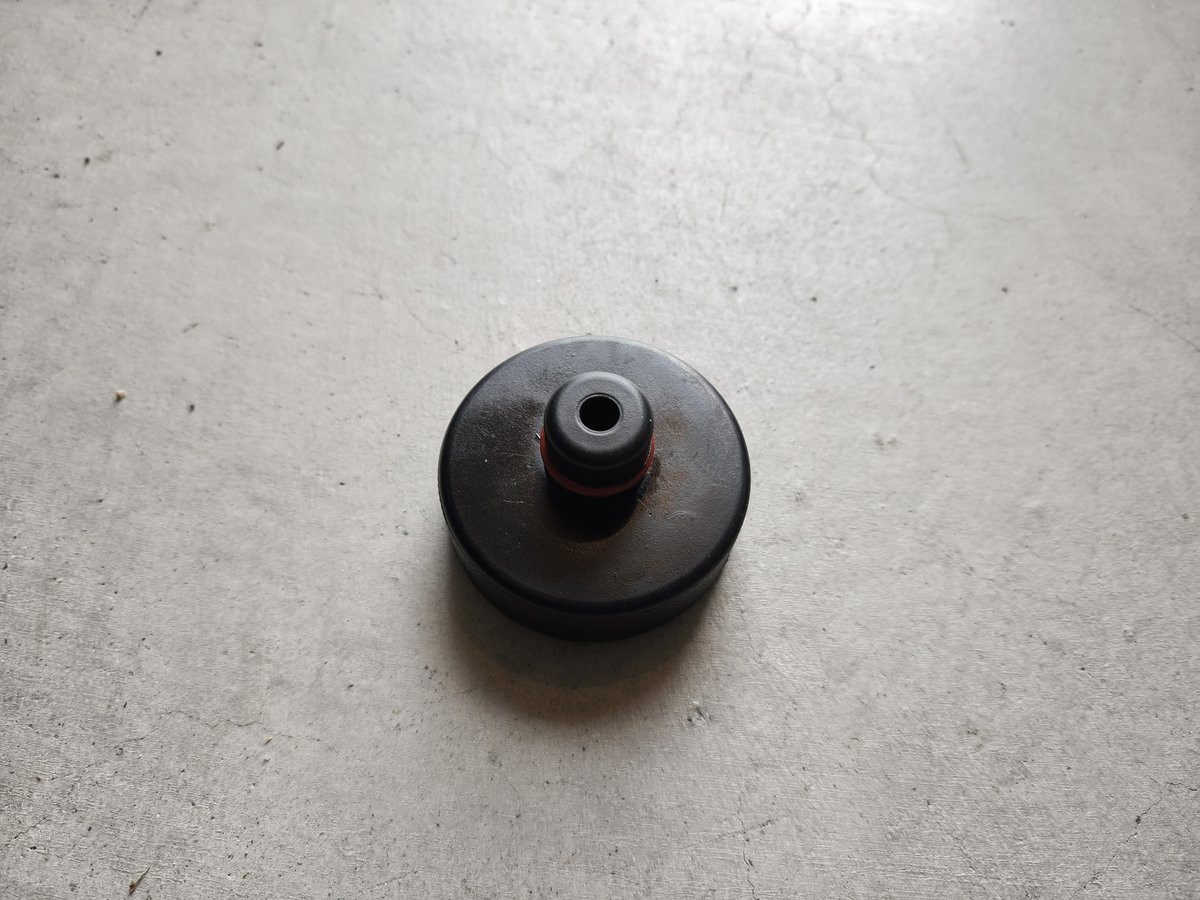
I always keep them in the car in case I ever need to lift it away from home.
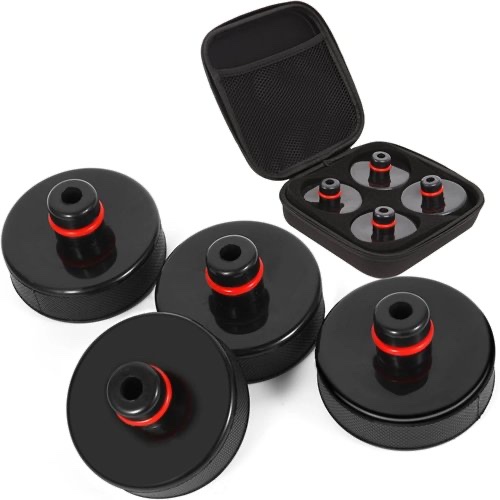
This is the same type.
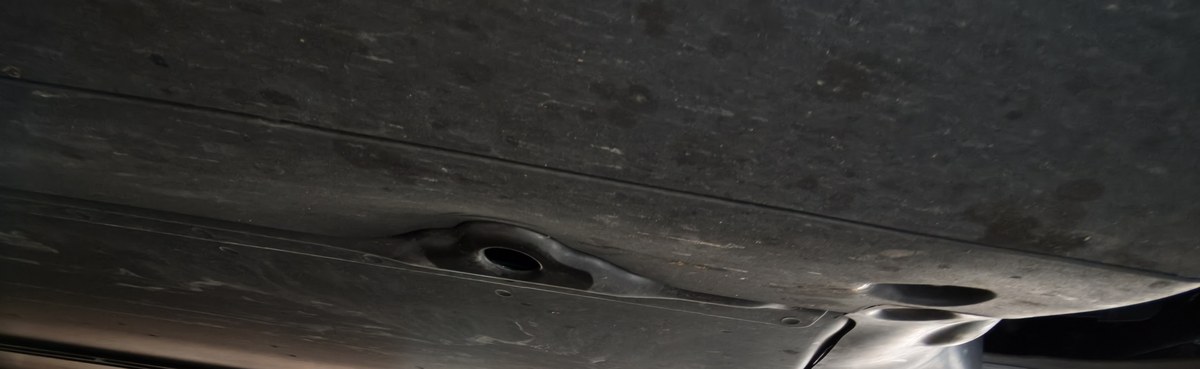
Look under the car and you’ll find the holes the jack pads slot into.
Push the jack pad into the hole first so it stays in place.
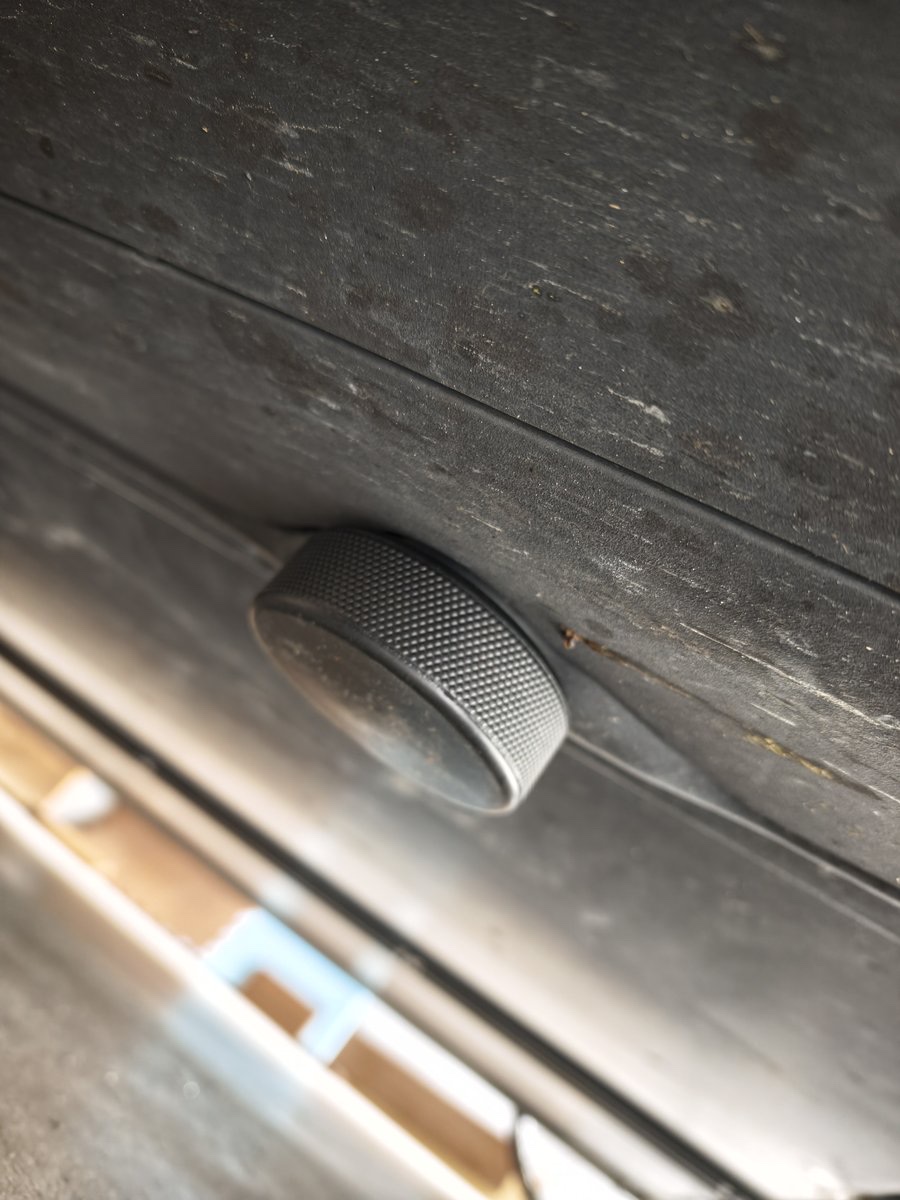
Then all you do is raise the jack straight onto it.
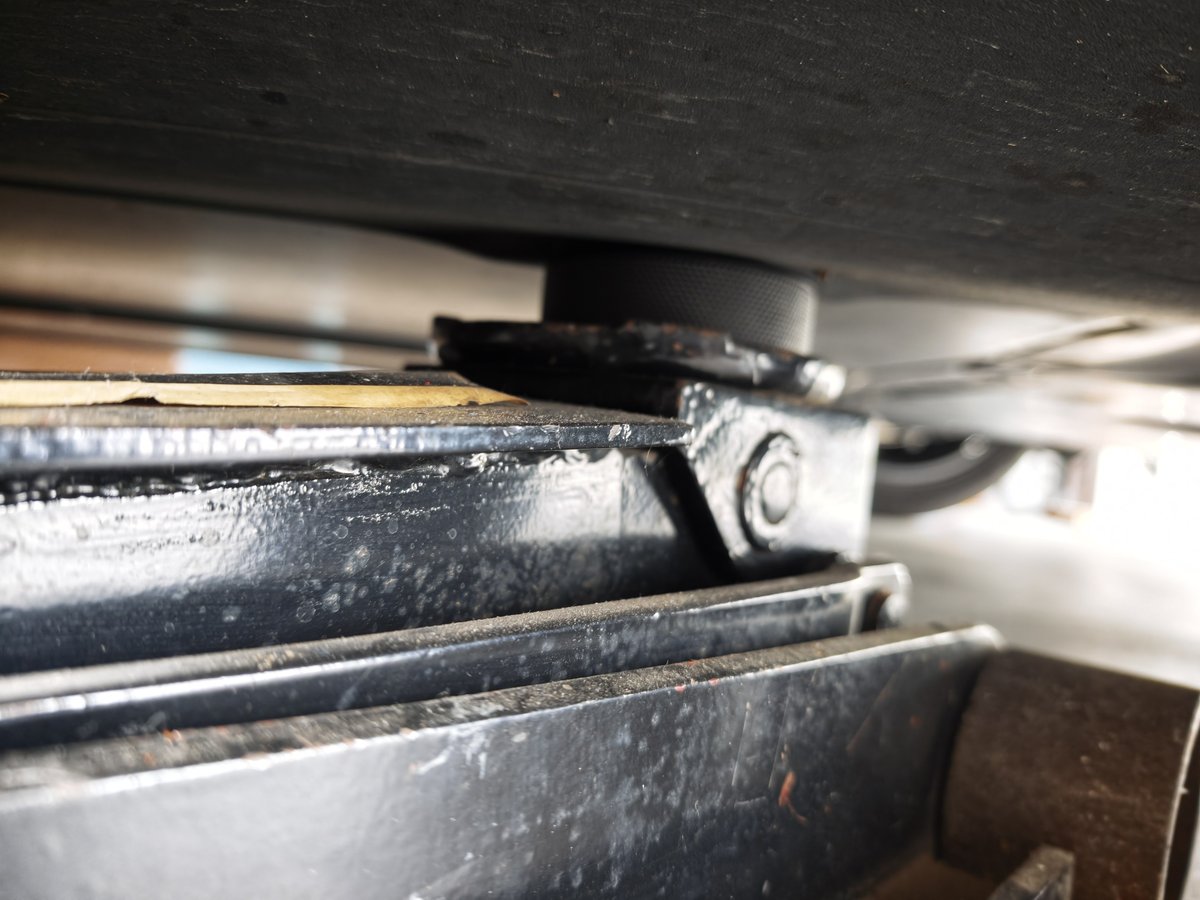
Because the pad is already fixed to the car, it’s obvious where to lift, so even on my first try it wasn’t too hard.
This is how the front came up.
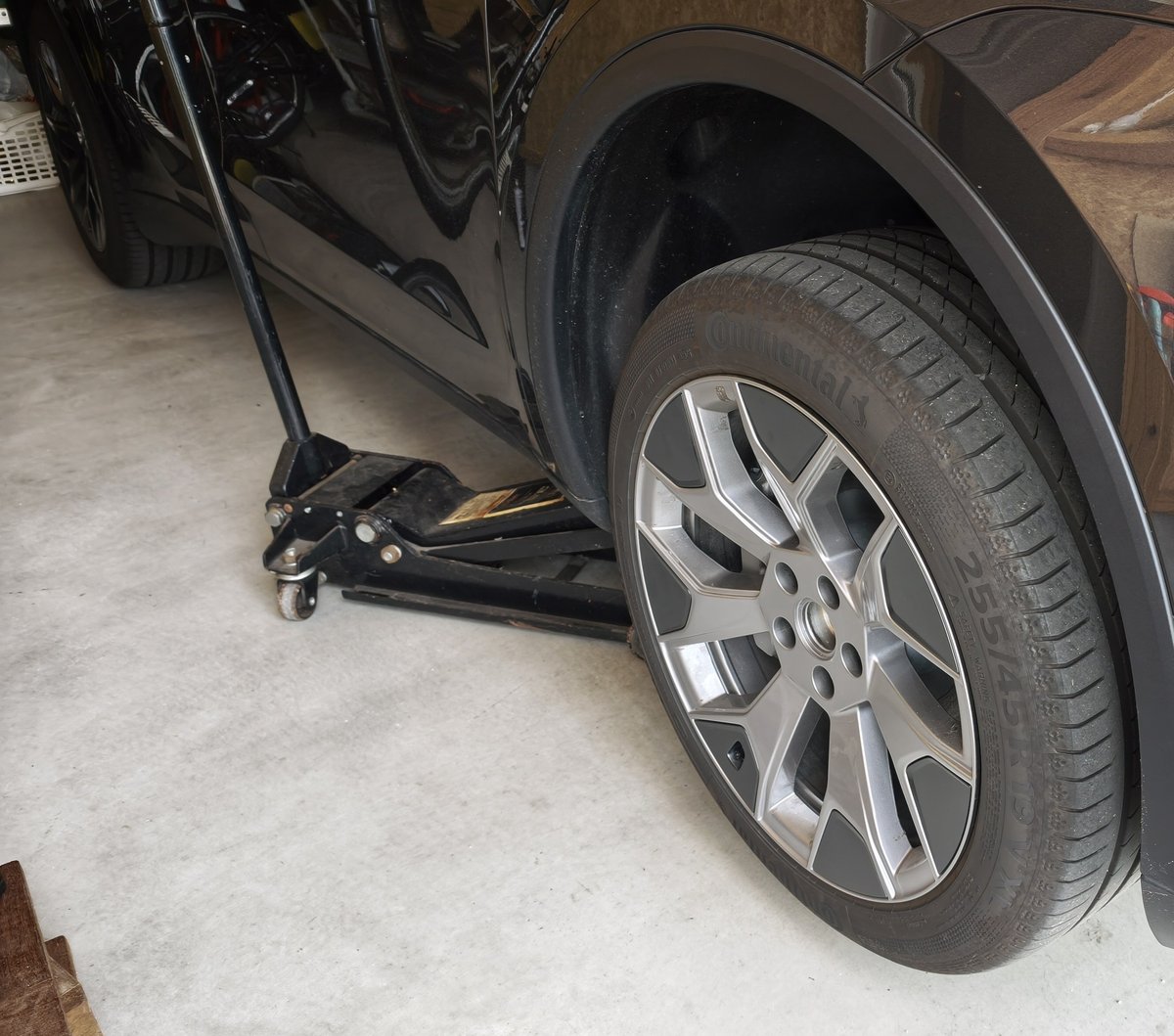
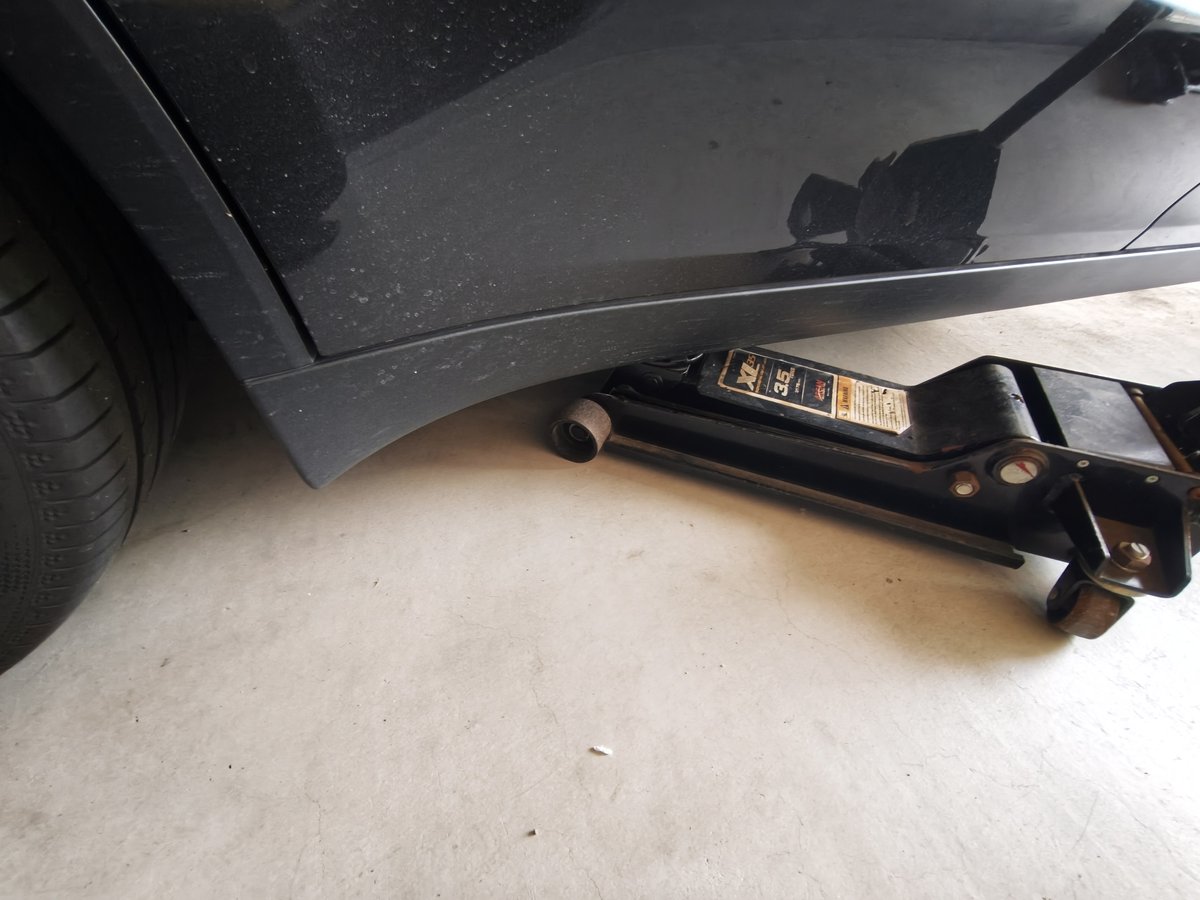
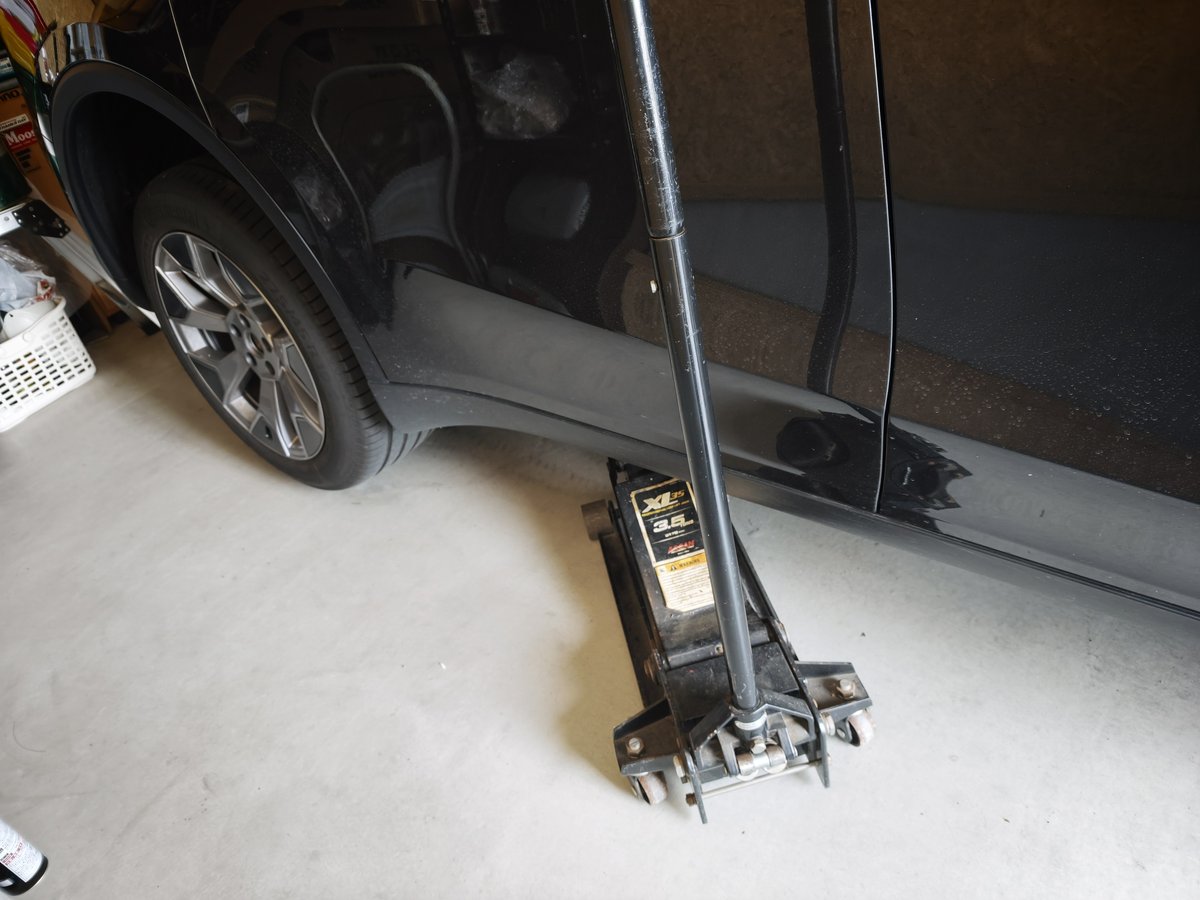
The rear works the same way, too.
An impact wrench with thin-wall sockets for the lug nuts
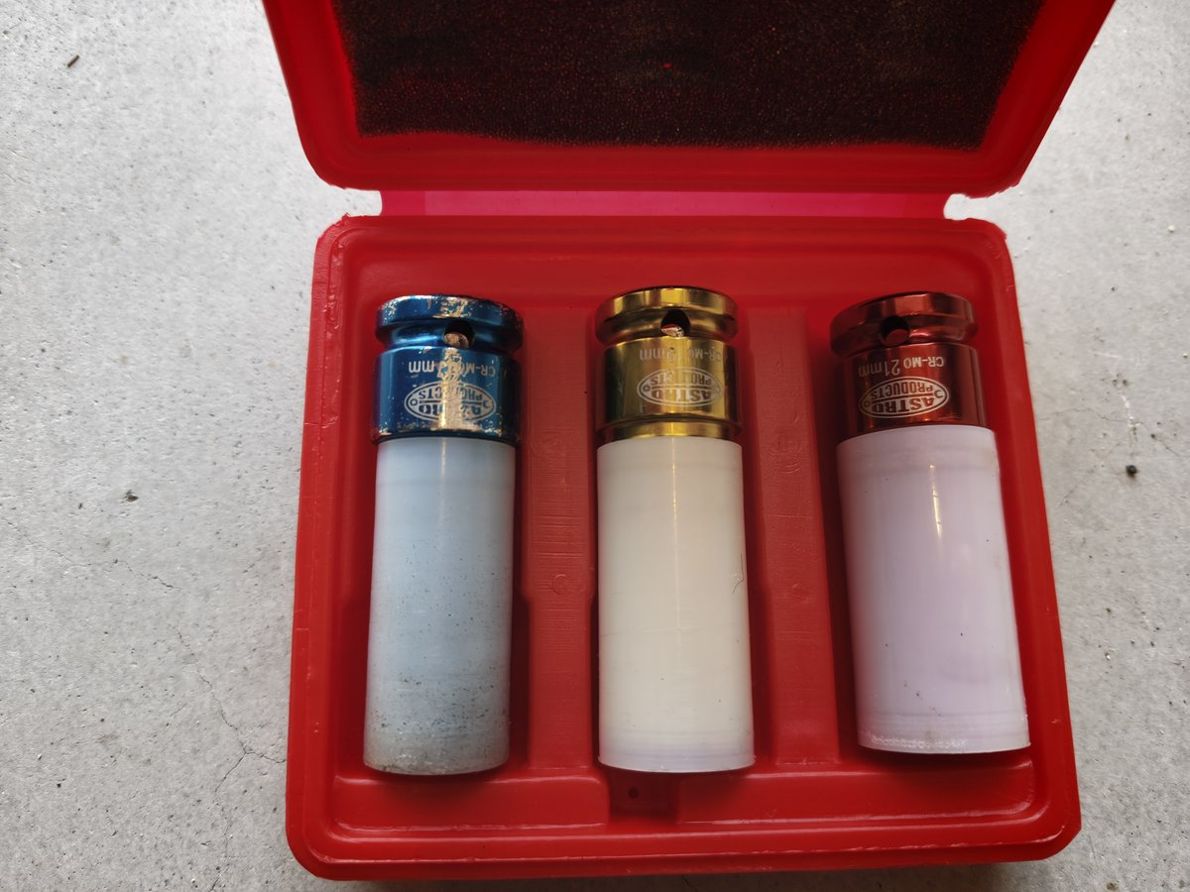
To take the lug nuts off, I used a cordless impact wrench with a three-piece socket set.
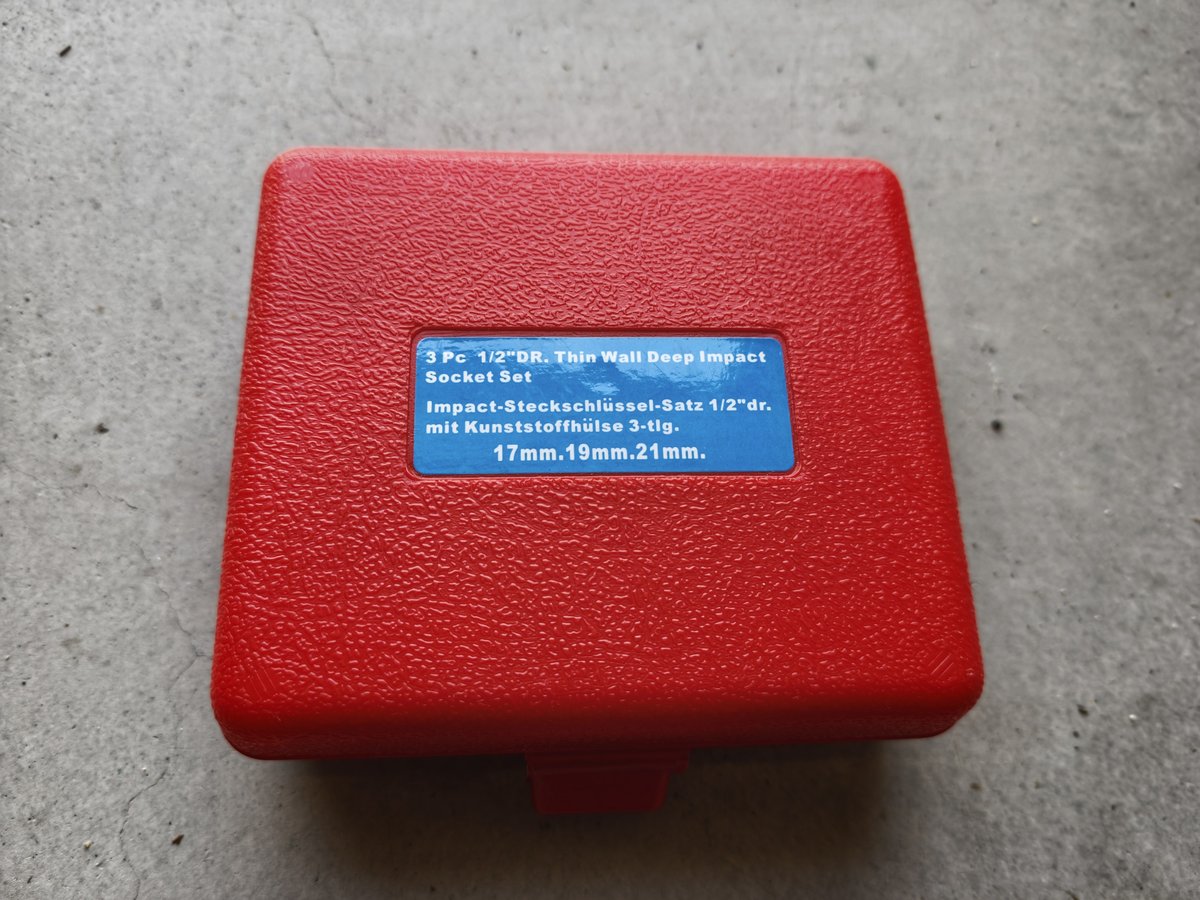
The set has three sizes: 17 mm, 19 mm, 21 mm. Each is colour-coded, with a white plastic sleeve.
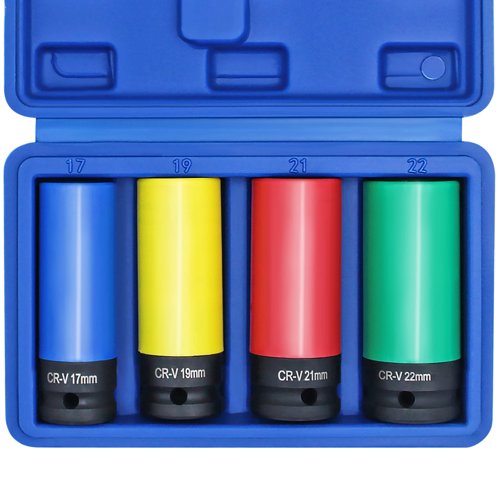
On AliExpress, the same type comes as a four-piece set that adds a 22 mm socket.
The impact wrench is the Makita 18V-compatible one I also use for tyre changes on our BMW X5.
With the lug nuts off, it looks like this.
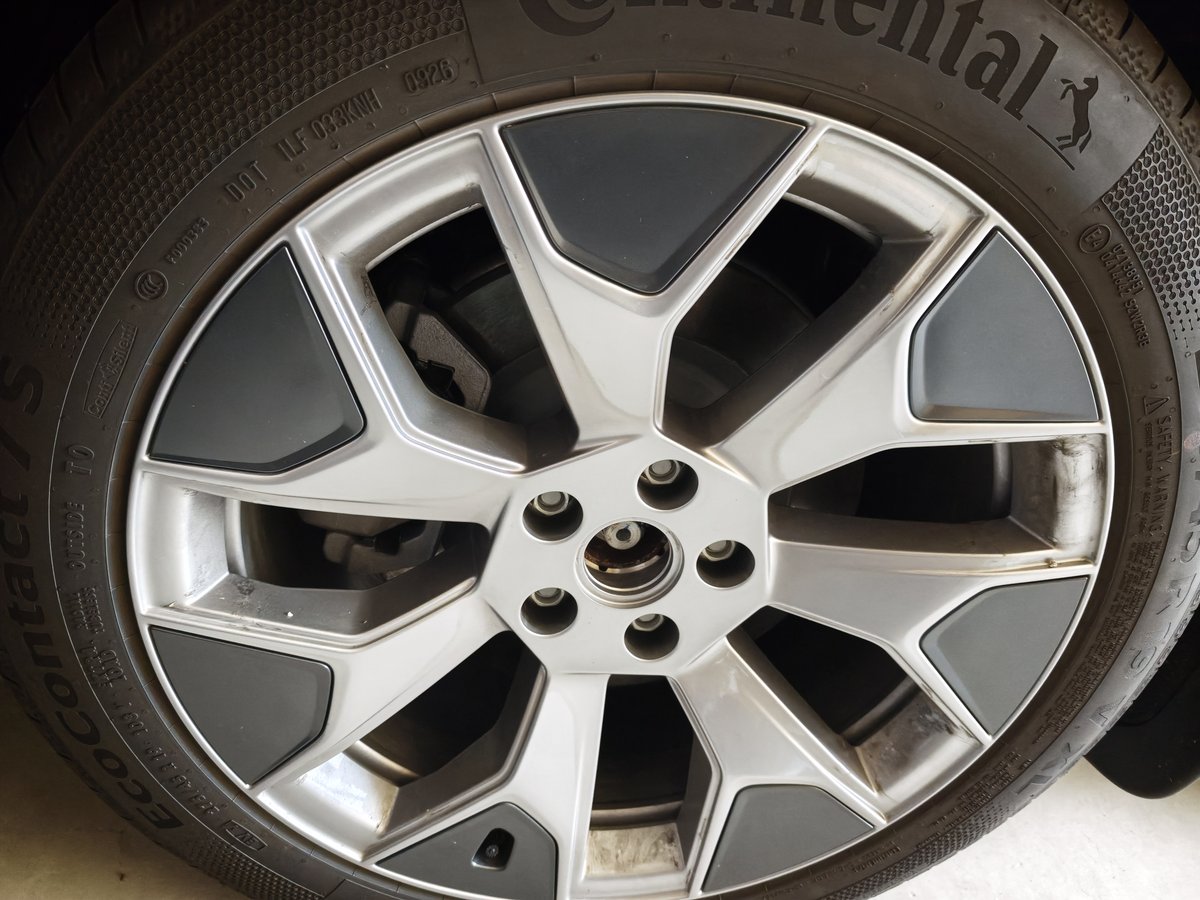
The specified torque for the Model YL’s lug nuts is 175 Nm (about 129 lb-ft). When putting the wheel back on, I tighten the nuts by hand as far as they’ll go, lower the jack, then torque them to 175 Nm with a torque wrench. However, I never use the impact wrench to tighten them.
What I checked while the car was up
Since the wheels were off anyway, I took a look at a few places that are normally hard to see.
Tread after 26,000 km
This is the tread on the tyre I took off.
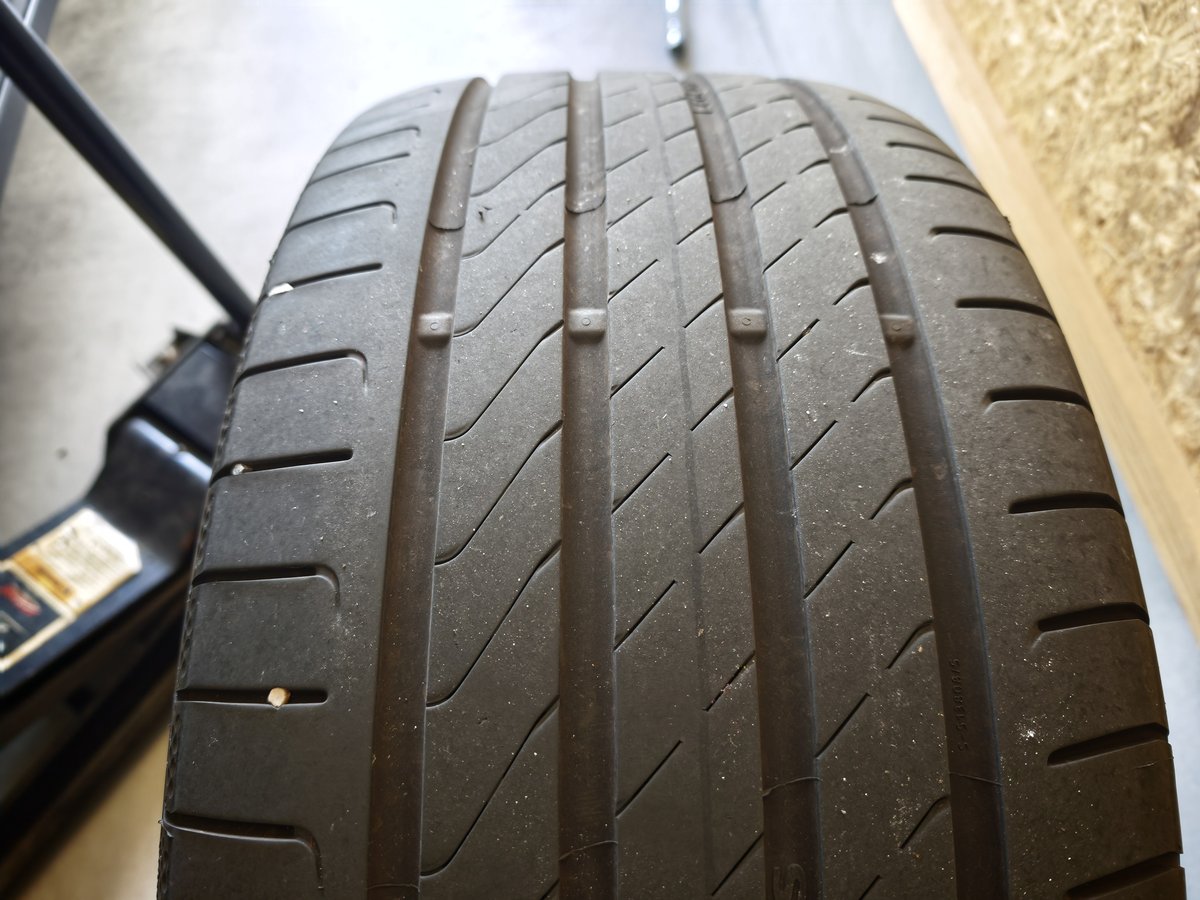
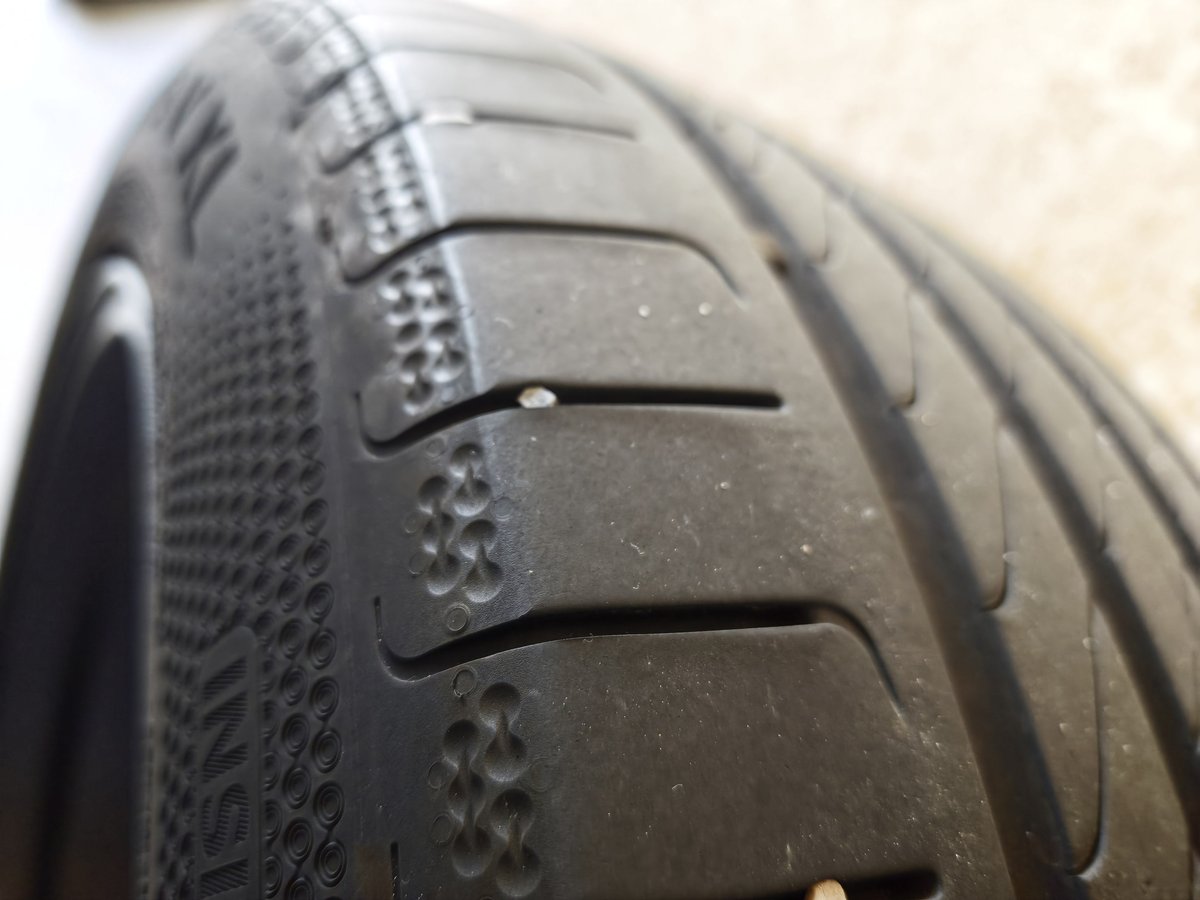
The rear spring label
With the wheel off, you can also get a clear look at the label on the rear spring.
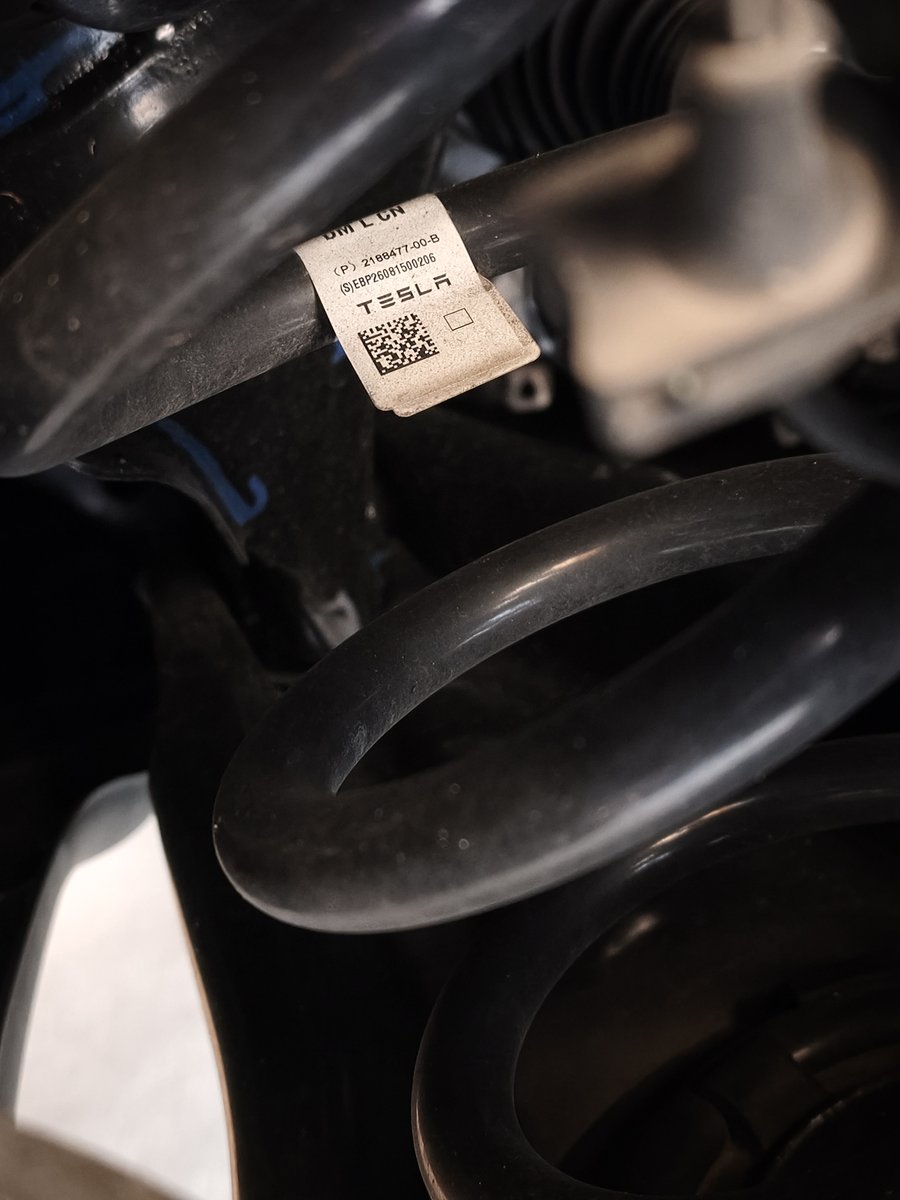
The part number was 2188477-00-B, the same as when I crawled under the car to check it last time.
Ride height after lowering the jack
When I measured right after lowering the jack, it was about 785 mm.
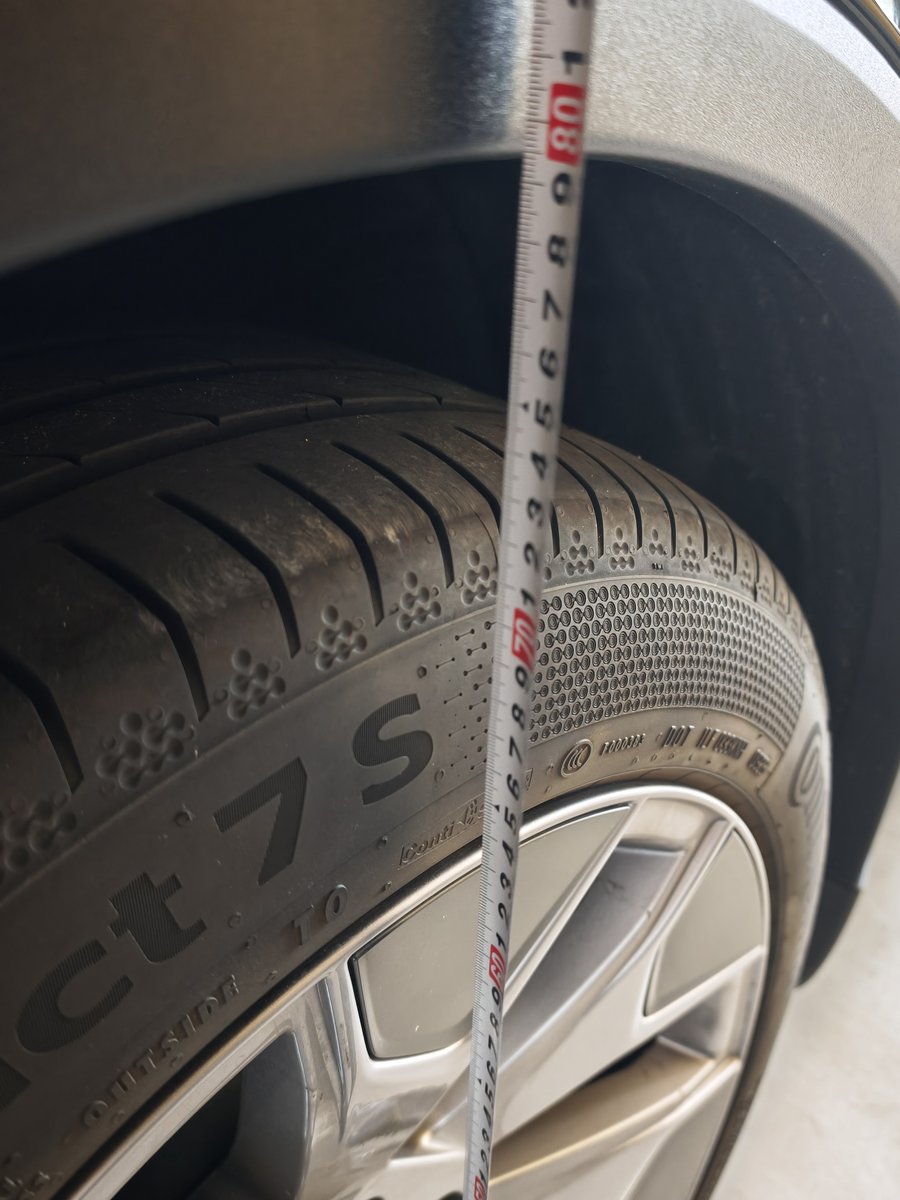
After lowering the jack and driving a short distance, I measured the ride height. It was about 3 mm higher than the 770 mm I’d measured before.
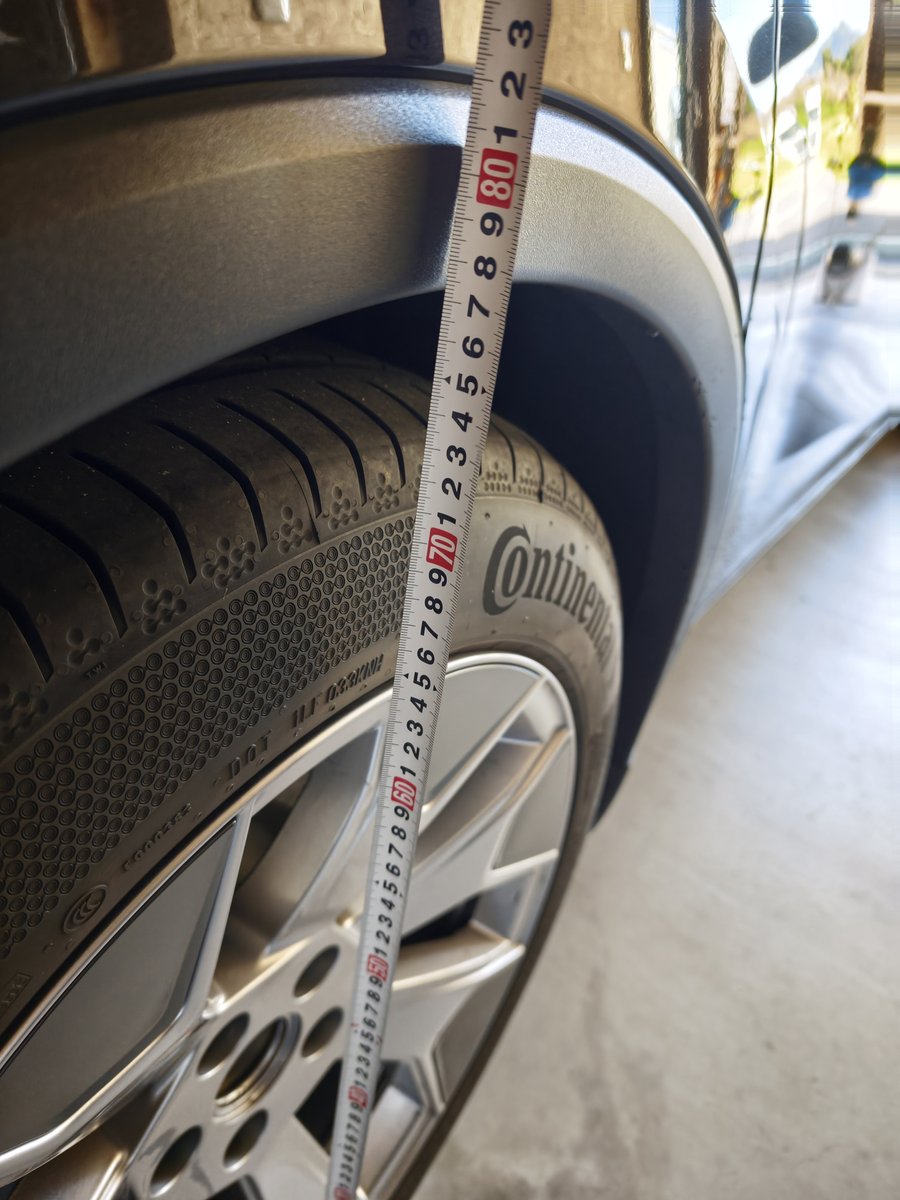
I expect it’ll settle back to around 770 mm after a bit more driving. I’ve been tracking the rear ride height in this series.
A Model YL jack-up is easy once the pad goes in first
This was my first Model YL jack-up, but since you fix the jack pad to the car first, then raise the jack onto it, it was easy to follow.
The jack pads will come in handy if I ever need to lift the car away from home, so I’m going to keep them in the car.
For the car itself, Tesla’s Model Y page is the official reference.


This article is also available in Japanese.